


Papad: The Crunchy Soul of Indian Cuisine
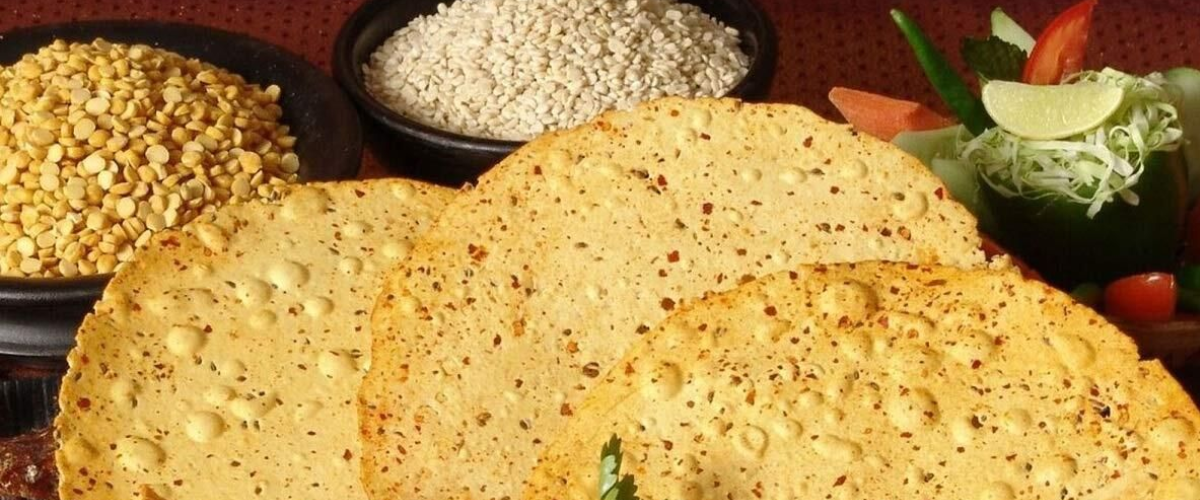
When you think of Indian food, curries and spices may come to mind first, but there’s one humble companion that has quietly held its place at every dining table — the Papad. Crispy, flavorful, and endlessly versatile, Papad is not just a side dish; it’s a story of tradition, taste, and togetherness. One bite of its crackling crunch, and you’re transported straight into the heart of India’s culinary culture.
The Origin Story of Papad
The history of Papad goes back centuries, rooted deeply in the Indian subcontinent. Some historians trace it as far back as 500 B.C., with references in ancient texts that speak of thin, crispy wafers made from lentils and spices. It is believed that women in traditional households would gather in courtyards during summers, rolling out hundreds of papads by hand, laying them under the sun to dry. This ritual wasn’t just about food — it was a social activity, a bond shared among families and communities.
Made primarily from black gram flour (urad dal), Papad soon spread across India with regional variations. In Gujarat, it became spicy and fiery; in Punjab, it turned peppery and bold; and in South India, it was often lighter with rice flour. No matter the region, Papad found a place at the table as the crunchy king of accompaniments.
What Makes Papad So Special?
The charm of Papad lies in its simplicity and adaptability. It is made by mixing lentil flour with spices like black pepper, cumin, chili, and asafoetida. The dough is rolled thin, sun-dried, and stored for months. When the time comes, it can be roasted, fried, or even microwaved — each method giving it a unique texture and flavor.
That first bite of Papad is more than just a crunch. It’s a burst of smoky, spicy, and savory notes that awaken the palate. Served with pickles, chutneys, or just plain rice, Papad brings balance to the meal — light, airy, and perfectly crisp.
Papad Beyond Borders
While Papad has always been a staple in Indian homes, it has also found admirers abroad. Known as Poppadom in the UK, it often graces the tables of Indian restaurants worldwide as an appetizer served with tangy chutneys. Its global presence is proof of its universal appeal: simple, crunchy, and irresistibly good.
In modern kitchens, chefs are experimenting with Papad recipes — from Papad rolls to Papad cones filled with spicy salads. It has evolved from a humble sidekick into a gourmet star.
Why You’ll Crave Papad Right Now
Picture this: A hot summer afternoon, a plate of steaming dal-rice, and alongside it, a perfectly roasted Papad that crackles with every bite. Or imagine a festive dinner where Papad is served fried golden, spiced with black pepper, and paired with tangy green chutney. That sound, that flavor, that crunch — it’s addictive.
Papad is more than food. It’s nostalgia, tradition, and comfort rolled into one thin, crispy wafer. Whether you eat it as a snack, a side, or even crush it over curry for extra texture, it never disappoints.
Final Crunch
If there’s one dish that ties together the diversity of Indian cuisine, it is the Papad. From royal feasts to everyday meals, it has stood the test of time as the perfect companion. The next time you crave something crunchy, flavorful, and utterly satisfying, let it be Papad. Because once you hear that first crackle, you’ll know — this isn’t just food, it’s India’s crispy heartbeat.